Fall 2: Deadpoint Review – High-Altitude Thrills on Mount Kwan
Meet the Cast




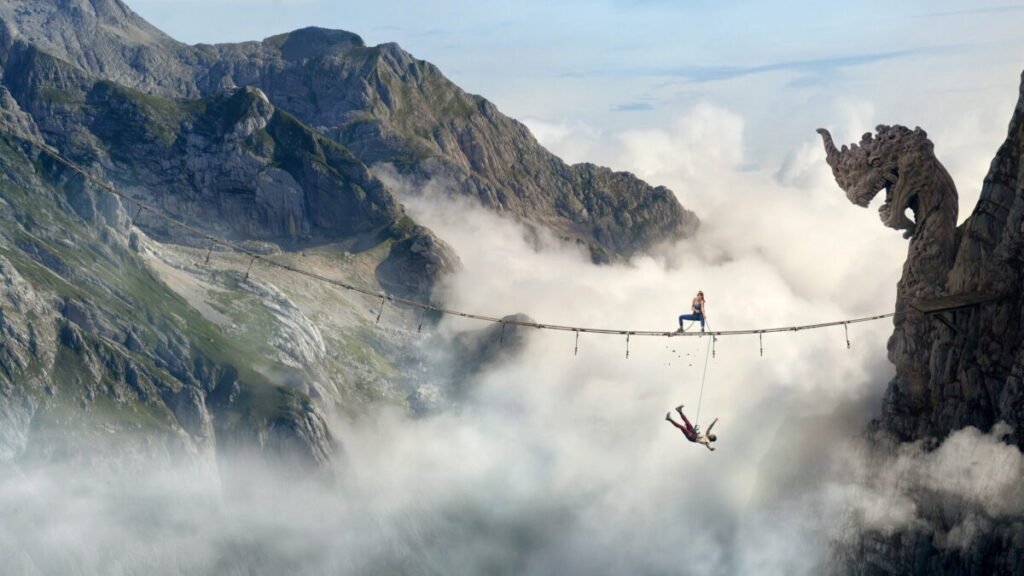
High-altitude thrillers operate on a primal frequency where the smallest mechanical failure or lapse in judgment carries absolute consequences. Fall 2: Deadpoint taps directly into that visceral fear, relocating vertical suspense from isolated towers to the intimidating rock faces of Thailand's Mount Kwan. By stranding two climbers thousands of feet above safety with minimal resources, the film transforms gravity itself into a relentless antagonist. It is a razor-thin survival scenario built around spatial isolation, psychological stamina, and the terrifying reality of sheer exposure where every ledge offers only temporary sanctuary.
Directed by Michael Spierig and Peter Spierig, this follow-up builds upon the high-concept tension established by screenwriters Scott Mann and Jonathan Frank. Rather than departing from the minimalist core that defined the original narrative, the filmmakers expand the scope to an expansive natural environment that presents fresh physical and psychological obstacles.
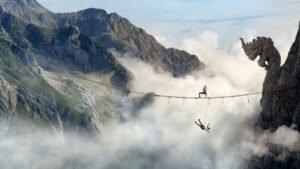
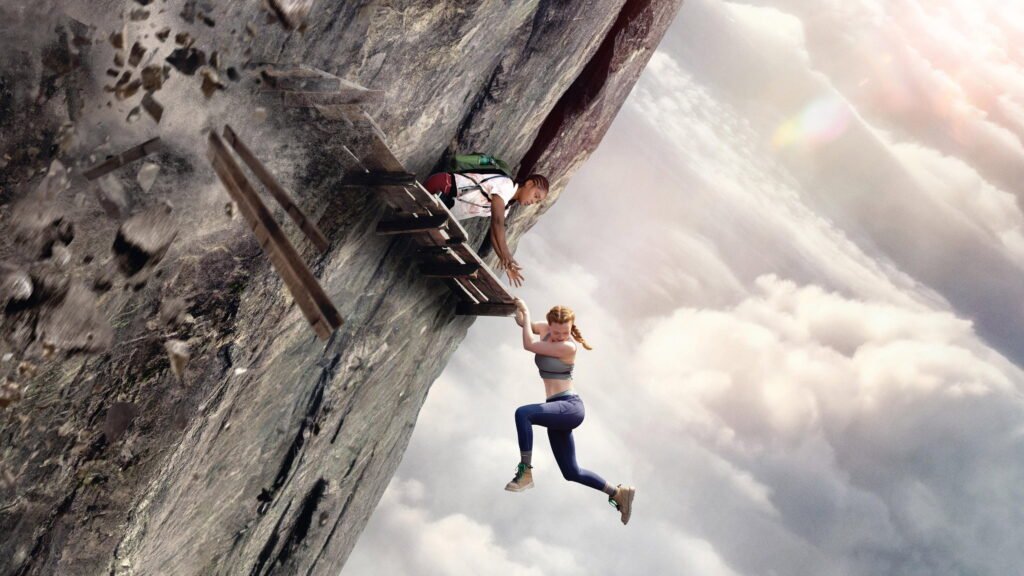
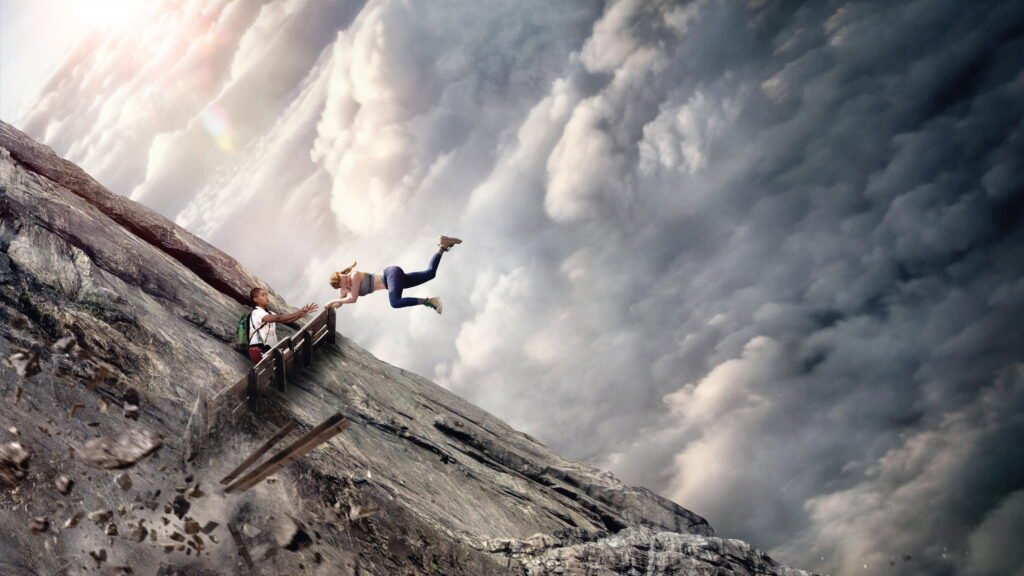
The story focuses on two climbers who find themselves marooned on a sheer cliff wall, forced to rely on instinct, frayed gear, and mutual endurance. The narrative strips away standard action distractions to maintain an unwavering focus on physical vulnerability and panic control.
Movie Snapshot
| Release date | 2026-09-01 |
|---|---|
| Runtime | 98 minutes |
| Genres | Thriller |
| Director | Michael Spierig, Peter Spierig |
| Writer | Scott Mann, Jonathan Frank |
| Original language | EN |
Story and Themes
Written by Scott Mann and Jonathan Frank, the narrative relies on lean survival storytelling. Rather than overwhelming the audience with complex subplots, the script focuses on the claustrophobic dread of an open-air trap. Mount Kwan's sheer cliffs provide a stark canvas where basic physical tasks—securing ropes, managing stamina, and making snap decisions—become matters of immediate survival.
Running at a tight 98 minutes, the film structures its narrative around escalating crises. Every tactical attempt to descend or call for assistance encounters physical barriers or catastrophic equipment risks. The pacing maintains a persistent drumbeat of tension, ensuring that quiet moments between crises feel less like rest and more like the ominous prelude to another vertical disaster.
Beneath the immediate physical danger, the narrative explores the mental toll of vertigo and severe isolation. The characters must battle internal panic while facing absolute exposure to the elements. This psychological dimension elevates the plot beyond a simple physical obstacle course, turning the climb into a demanding test of character under maximum environmental stress.
Acting and Characters
Harriet Slater anchors the dramatic dynamic as Jax Hunter, carrying a significant portion of the tension alongside Arsema Thomas as Luce and Virginia Gardner returning to the franchise world as Shiloh Hunter. The principal cast conveys extreme physical exhaustion and psychological panic without relying on dramatic speeches, keeping their performances tied strictly to the immediate danger of their predicament.
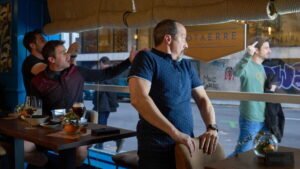
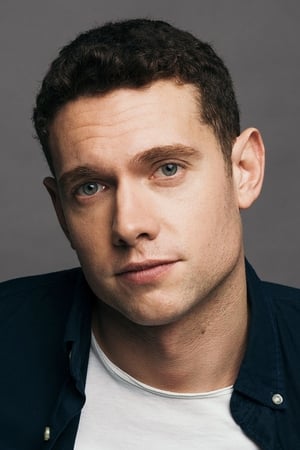
Supporting appearances by Tom Brittney as Jon Platt and Sahajak Boonthanakit as the Thai Barman help contextualize the setting and stakes outside the cliff wall. However, the emotional core remains anchored on the wall, where silent body language and shared looks of fear communicate more than dialog ever could.
Direction and Pacing
Directing duo Michael Spierig and Peter Spierig bring sharp focus to spatial mechanics, ensuring the audience always understands the geometry of the peril. Managing a story set primarily on a vertical rock surface requires rigorous control over perspective, making sure the staggering depth below the characters feels constantly present and threatening.
The Spierig brothers maintain dramatic control over the film's 98-minute runtime. By avoiding unnecessary side tracks and trusting the audience's natural aversion to extreme heights, the direction prioritizes immediate physical tension, turning simple climbing maneuvers into gripping sequences of high-stakes suspense.
Visual Craft
The visual storytelling depends heavily on conveying sheer scale and terrifying depth across Thailand's Mount Kwan. Visual framing emphasizes the verticality of the terrain, contrasting the smallness of the climbers against vast sweeps of exposed rock and open sky to amplify the feeling of total isolation.
Camera placement works double duty to construct both expanse and claustrophobia. Wide shots establish the complete lack of rescue options, while tight framing on hands, carabiners, and frayed gear ensures that small detail choices carry immense visual consequence throughout the narrative.
Music and Sound
In a high-altitude thriller of this nature, sound design and music must act as critical narrative engines. The soundscape balances tense musical scoring with natural environmental sound—such as rushing wind, groaning gear, and sharp echoes—to heighten the reality of vertical exposure and keep the audience perpetually uneasy.
What Works — and What Does Not
What Works
- Relentless high-concept tension built around vertical exposure on Mount Kwan.
- Efficient 98-minute runtime that keeps pacing tight and focused on survival mechanics.
- Grounded performances by Harriet Slater and Arsema Thomas that convey believable physical panic.
- Directorial emphasis by Michael and Peter Spierig on clear spatial awareness and height-induced dread.
What May Not
- Minimalist survival structure offers limited narrative variety outside the central vertical hazard.
- Strict adherence to subgenre formulas may feel familiar to veteran survival thriller viewers.
Who Should Watch?
Ideal for fans of high-tension survival thrillers, vertigo-inducing suspense, and extreme endurance stories. Viewers looking for lean, atmospheric thrillers focused on physical survival will find plenty to appreciate in this intense mountain setup.
Audience members who suffer from severe acrophobia or those who prefer complex, dialogue-heavy dramas with extensive location changes may find the singular, stress-inducing focus on high-altitude isolation overwhelming.
Final Verdict
Fall 2: Deadpoint delivers exactly what fans of vertical thrillers demand: precise spatial tension, punishing high-altitude stakes, and focused survival storytelling. Michael and Peter Spierig handle the technical demands of the setting with skill, turning Thailand's Mount Kwan into an intimidating stage for non-stop suspense.
Supported by convincing performances from Harriet Slater and Arsema Thomas, the film succeeds as a disciplined follow-up. It knows its scope, respects its subgenre boundaries, and keeps the audience teetering on the edge of their seats from start to finish.
Verified Movie Facts
| Title | Fall 2: Deadpoint |
|---|---|
| Production countries | United Kingdom, United States of America |
| Spoken languages | English |
| Certification | PG-13 |
| Production companies | Tea Shop Productions, Capstone Pictures, Flawless Production, Cousin Jones |
Frequently Asked Questions
Who directed Fall 2: Deadpoint?
Fall 2: Deadpoint was directed by Michael Spierig and Peter Spierig.
Who wrote the screenplay for Fall 2: Deadpoint?
The screenplay was written by Scott Mann and Jonathan Frank.
What is the setting and premise of Fall 2: Deadpoint?
The film takes place on Thailand's Mount Kwan, where two climbers become trapped thousands of feet above the ground and must fight for survival against extreme vertical exposure.
Who stars in Fall 2: Deadpoint?
The cast features Harriet Slater as Jax Hunter, Arsema Thomas as Luce, Tom Brittney as Jon Platt, and Virginia Gardner as Shiloh Hunter.