Resident Evil Review: Zach Cregger Reinvents Survival Horror

Meet the Cast





When a night shift routine suddenly dissolves into an unpredictable nightmare of body horror and violent madness, survival depends on instinct rather than heroics. The reboot of Resident Evil shifts focus away from superheroic soldiers toward an everyday medical courier named Bryan, caught in an overwhelming biological catastrophe. Directed and co-written by Zach Cregger alongside Shay Hatten, this adaptation grounds the iconic video game franchise in tight, visceral survival horror, trading sweeping sci-fi spectacle for claustrophobic panic and lean narrative momentum across a compact ninety-three-minute running time.
By stripping back decades of expanded cinematic lore, the film reimagines the outbreak formula through a grounded, human-scale perspective. The narrative centers on a single chaotic evening where institutional failure and sudden contamination turn mundane urban spaces into terrifying traps, placing working-class characters directly in the path of terrifying physical mutations and rapid collapse.
This fresh approach offers an intriguing entry point for both horror enthusiasts and game fans seeking a tighter narrative focus. With an ensemble cast anchored by Austin Abrams, Zach Cherry, Kali Reis, Paul Walter Hauser, and Johnno Wilson, Cregger's vision leans into suspense, body horror, and high-stakes tension over pure action-movie bravado.
Movie Snapshot
| Release date | 2026-09-16 |
|---|---|
| Runtime | 93 minutes |
| Genres | Horror, Thriller |
| Director | Zach Cregger |
| Writer | Shay Hatten, Zach Cregger |
| Original language | EN |
Story and Themes
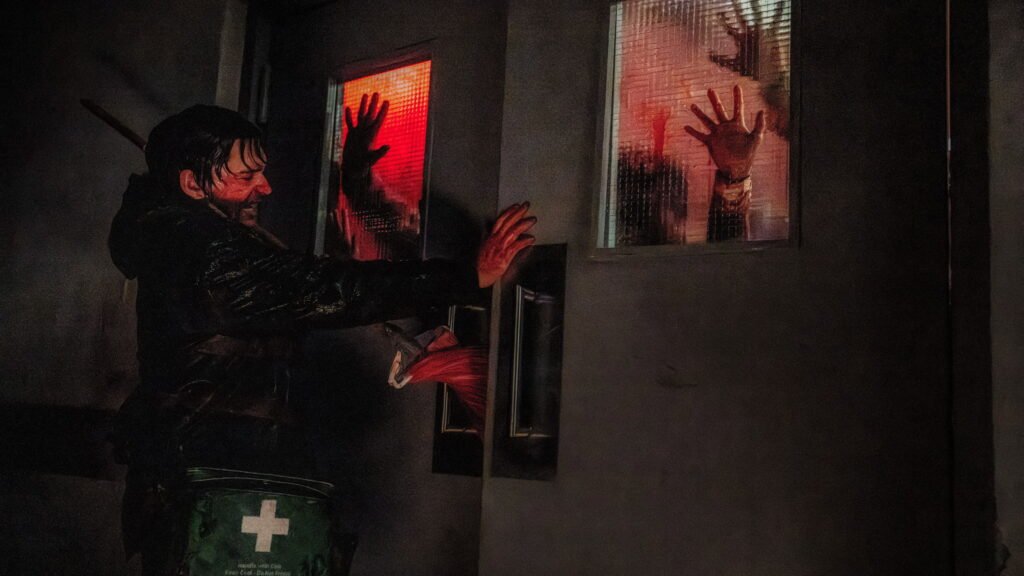
The plot sets up a tight suspense framework centered on Bryan, a routine medical delivery driver whose standard schedule is derailed by an escalating biological emergency. As the night unfolds, the surrounding environment collapses into widespread panic, turning predictable city corridors and medical facilities into lethal gauntlets. Rather than presenting a seasoned operative equipped with heavy weaponry, the story forces an ordinary protagonist to navigate an unpredictable outbreak where every doorway presents an immediate threat of exposure or attack.
Theme-wise, the narrative explores the vulnerability of frontline workers during institutional crises, using survival horror tropes to highlight how quickly societal structures deteriorate under threat. By keeping the timeline confined to one agonizing night, writers Zach Cregger and Shay Hatten emphasize immediate survival stakes over complicated corporate conspiracies. The pacing relies on compounding dilemmas: as Bryan attempts to make sense of the expanding chaos, secondary encounters with characters like Dave, Pauline, Carl, and Max complicate his route and heighten spatial claustrophobia.
While the lean plot structure maintains relentless forward drive, it leaves limited room for extensive lore exposition or elaborate backstories. Audiences looking for expansive world-building or explicit explanations behind the outbreak may find the minimalist script focused primarily on immediate visceral tension rather than deep mythic lore. However, this narrow narrative focus keeps the stakes personal and digestible, ensuring that the primary goal remains continuous, desperate survival.
Acting and Characters
Austin Abrams carries the narrative weight as Bryan, portraying a relatable, vulnerable everyman thrust into extreme peril. Rather than leaning on typical action archetype cliches, the role calls for genuine panic, exhaustion, and split-second decision-making. Supporting contributions from Zach Cherry as Dave and Paul Walter Hauser as Carl add valuable human grounding to the horror environment, offering contrasting personalities that react to the surrounding collapse in distinct, recognizable ways.
Kali Reis takes on the role of Pauline, while Johnno Wilson portrays Max, completing a compelling ensemble that navigates the mounting crisis. The script provides these characters with distinct survival priorities, creating an unpredictable group dynamic where trust is fragile and immediate threats supersede personal ties. The performance choices across the core cast reinforce the film's gritty tone, keeping reactions believable amid intense situational terror.
Direction and Pacing
Director Zach Cregger brings a sharp flair for high-tension horror to the Resident Evil brand, co-writing the script with Shay Hatten to pivot the series back toward traditional survival horror roots. Cregger focuses on spatial awareness and relentless escalation, transforming ordinary settings into menacing horror corridors. By prioritizing claustrophobic suspense over flashy visual spectacles, the direction creates an atmosphere where danger feels immediate and unyielding.
The directorial strategy deliberately keeps the runtime tight at 93 minutes, eliminating narrative excess in favor of a lean, pressure-cooker structure. Cregger balances jump-scares with sustained tension, utilizing the core elements of body horror and sudden outbreak chaos to keep viewers destabilized alongside the characters.
Visual Craft
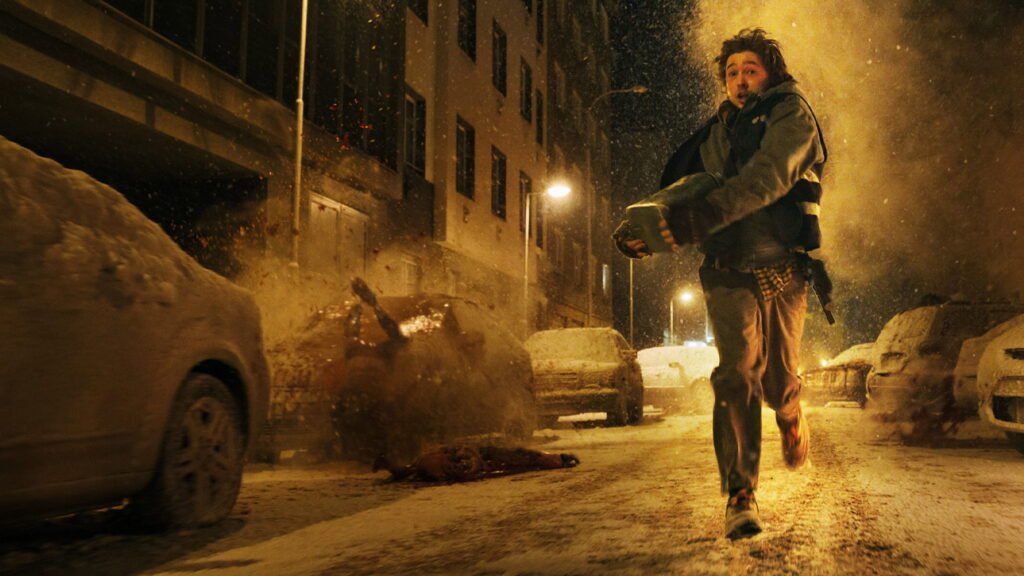
Visual storytelling in a single-night survival horror requires careful management of light, shadow, and environmental spatial layout. The camera work emphasizes tight, enclosed spaces to amplify feelings of trap and isolation, reflecting Bryan's limited visibility as he navigates darkened hallways and urban chaos during the crisis.
The visual presentation supports the intense body horror and practical tension inherent in the zombie outbreak concept. Frames are constructed to highlight the immediate physical threat surrounding the characters, maintaining an uncomfortable closeness that keeps the audience aligned with the characters' fractured sense of safety.
Music and Sound
In a survival thriller where silence is as dangerous as noise, sound design and musical scoring perform a vital dramatic function. Acoustic tension must build around heavy breathing, sudden footsteps, and metallic environmental thuds to create an immersive sense of danger. The musical landscape serves to heighten pulses during chase sequences and deepen eerie quiet moments, framing the psychological dread of an unpredictable outbreak without overpowering the dramatic isolation on screen.
What Works — and What Does Not
What Works
- Grounded survival horror perspective focusing on an ordinary medical courier.
- Tight 93-minute runtime that maintains active tension and narrative momentum.
- Focused ensemble cast featuring Austin Abrams, Kali Reis, and Paul Walter Hauser.
- Director Zach Cregger successfully shifts the franchise toward atmospheric suspense and body horror.
What May Not
- Minimalist narrative provides limited backstory and franchise lore exposition.
- Single-night timeline restricts broader character development opportunities.
Who Should Watch?
This reboot is particularly well-suited for horror fans who appreciate tight, atmospheric survival thrillers grounded in realistic human vulnerability. Viewers looking for lean narrative execution, bodily terror, and continuous suspense will find plenty to engage with across the brief running time.
Conversely, long-time video game fans expecting expansive corporate backstories, heavy artillery action, or high-tech combat sequences may find this pared-down approach surprising. The film earns its mature R rating through intense survival horror violence, body horror themes, and relentless night-time panic.
Final Verdict
Zach Cregger's Resident Evil successfully revitalizes an iconic franchise by stripping away bloated cinematic sci-fi elements in favor of raw, atmospheric survival horror. Focused on Austin Abrams' grounded performance as an ordinary courier caught in a localized nightmare, the film delivers concentrated suspense and effective body horror within a lean 93-minute framework.
While its understated lore may leave fans of expansive video game backstories wanting more detail, its dedication to visceral tension, solid ensemble performances, and tight directorial focus make it a strong, thrilling entry in modern creature-and-outbreak cinema.
Verified Movie Facts
| Title | Resident Evil |
|---|---|
| Production countries | United States of America, Germany, France |
| Spoken languages | English |
| Certification | R |
| Production companies | Constantin Film, Subconscious, Vertigo Entertainment, Davis Films, Columbia Pictures, PlayStation Productions, TriStar Pictures |
Frequently Asked Questions
Who directed the 2026 Resident Evil movie?
The film was directed by Zach Cregger, who also co-wrote the screenplay alongside Shay Hatten.
Who stars in the Resident Evil reboot?
The main cast includes Austin Abrams as Bryan, Zach Cherry as Dave, Kali Reis as Pauline, Paul Walter Hauser as Carl, and Johnno Wilson as Max.
What is the main plot of Resident Evil?
The story follows Bryan, a medical courier whose life is upended during a horrifying night of sudden biological outbreak chaos and survival horror.
What is the runtime of Resident Evil?
The film has an official runtime of 93 minutes.